What Is AI Video Understanding, and Can It Find Moments in Long Videos?
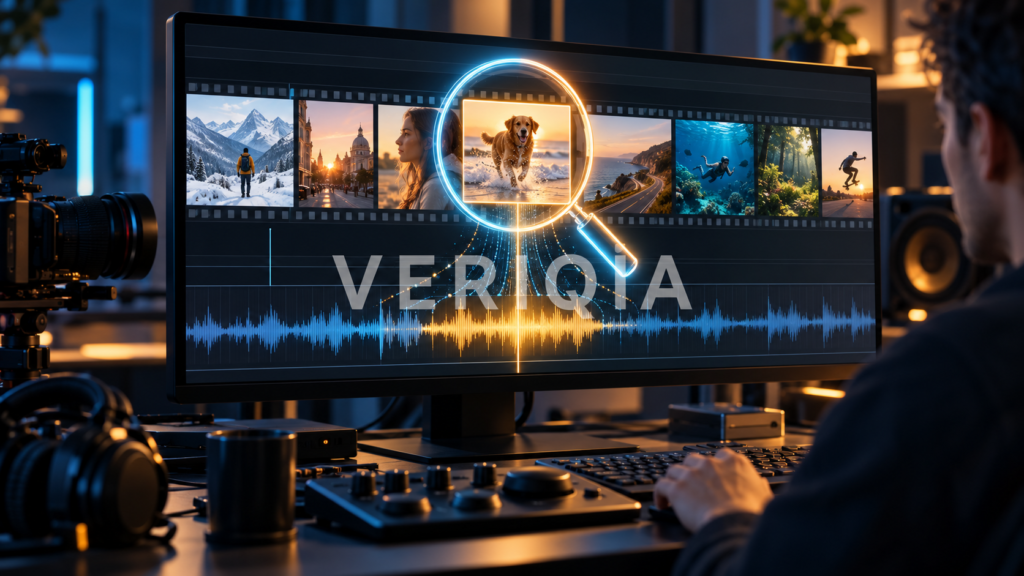
AI video understanding uses models to interpret what happens across video frames, audio and time, so users can ask questions about footage instead of watching every second manually. Some newer approaches can navigate a video timeline to fetch the relevant frames or transcript segments rather than treating the entire recording as one giant input.
How is it different from transcription?
A transcript captures words. Video understanding may also interpret what appears on screen, when a scene changes and how visual details relate to spoken comments. That’s useful when an important moment is silent, such as a demonstration, a slide change or a visible error.
What’s new about timeline navigation?
Google’s 2026 Gemini API updates describe agentic video understanding, in which models can request frames, transcripts or audio segments as needed. The aim is to focus on useful moments rather than processing an entire video the same way. This can improve efficiency, but the actual quality depends on recording conditions and the model.
Who might use it?
- Students: find the section of a lecture that explains a particular diagram.
- Creators: locate candidate highlights in a long interview.
- Teams: search recorded product demonstrations for a specific feature.
- Editors: identify scene changes and repeated takes.
- Researchers: index large collections of video for later human review.
Each use case still benefits from checking the original timestamp.
Why summaries can be misleading
A video has context that a short summary can easily flatten. A speaker may quote somebody they disagree with; a cutaway can show a different place; sarcastic remarks can sound sincere in transcripts. The model might also mistake one person or object for another. For consequential claims, return to the original clip.
What about privacy and copyright?
Recorded meetings may include confidential information; videos can also contain faces, voices and copyrighted footage. Upload only material you are entitled to process, check the platform’s retention settings and obtain needed permissions. Automated analysis doesn’t make restrictions disappear.
The smarter workflow
Ask the model to identify candidate timestamps, then watch those parts yourself. Follow up with a precise question, compare transcript and visual evidence, and save a link to the actual segment. That turns AI into a search assistant rather than a machine that manufactures certainty.
What would you search first if you could ask questions about any long video instead of scrubbing through its timeline?