
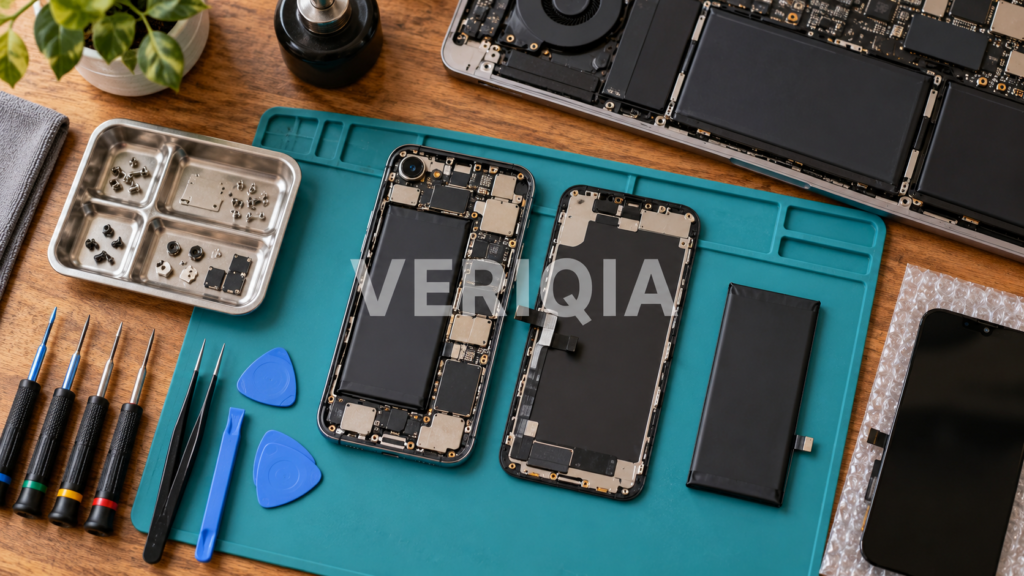
What Does Right to Repair Mean, and Can You Really Fix Your Own Devices?
Right to repair means making it easier for owners and independent repair shops to fix products using appropriate parts, tools and information. It doesn’t mean every repair is automatically free or safe, and the specific legal protections vary by location and product.
Why are people arguing about repair?
Phones and laptops can be expensive to replace, yet a weak battery or cracked screen may be the only thing wrong. When parts are unavailable, repairs require restricted software or official service costs nearly as much as replacement, customers have fewer practical choices. Repair advocates argue that ownership should come with a meaningful chance to maintain what you bought.
What makes a product repairable?
- Replacement batteries, screens and other commonly failing parts are available.
- Repair manuals explain disassembly and reassembly.
- Standard tools can do the job without destroying the product.
- Software doesn’t unfairly block compatible replacement parts.
- Manufacturers provide realistic repair and support periods.
Repairability is a spectrum, not a yes-or-no label.
Does opening your phone void the warranty?
There is no single global rule. In some places, manufacturers cannot deny all warranty coverage merely because an independent repair occurred, but they may be able to refuse coverage for damage caused by the repair. Before opening a device, check the rules where you live and the product’s warranty terms.
What is parts pairing?
Certain devices use software to recognize or configure replacement components. Sometimes calibration helps a component operate correctly or maintains security features. But pairing can also limit independent repair when legitimate parts don’t work fully without manufacturer authorization. The question isn’t whether software is involved; it’s whether the restrictions are proportionate and transparent.
Should you repair or replace?
Compare the total repair cost with the remaining useful life of the device. A modest battery replacement on an otherwise reliable laptop often makes sense. A major repair on a machine with unsupported software, failing storage and poor battery life may not. Consider local recycling options when replacement really is necessary.
What repairs are better left to professionals?
Swollen lithium-ion batteries, damaged charging circuits and repairs involving mains power can be hazardous. Even a seemingly straightforward battery swap can puncture a cell if the adhesive or tools are handled incorrectly. Professional service can be the wiser choice when safety equipment or experience is missing.
How to buy a device that’s easier to keep
Look for published repair guides, available parts, long software-support commitments and clear repair prices. Check whether a battery replacement is practical before purchasing. A slightly more expensive device that survives several extra years may cost less overall.
Would you pay a little more for a phone or laptop that’s easier to repair, or is upfront price still your deciding factor?