Terry McLaurin Knee Injury: What the Commanders Have Confirmed
Searches for terry mclaurin have accelerated in United States in Google Trends' past-24-hour view. The subject now demands more than a headline: readers need a dated account of what happened, a clear boundary around what is still unknown and practical context for the next development. This report examines the evidence available on October 20, 2026, without treating online attention as proof of a claim.
What is confirmed
The NFL reported that Washington receiver Terry McLaurin left the October 19 game against San Francisco after suffering a knee injury in the first quarter. He was carted off and ruled out for the remainder of the game. Coach Dan Quinn said the concern was that the injury could be significant, but he had no definitive diagnosis and said scans were expected Tuesday.
The context behind the headline
A player leaving the field on a cart understandably triggers immediate concern, particularly when an air cast is used. Yet those visible details do not establish the exact injury or recovery timetable. Medical evaluation, imaging and subsequent team statements are needed before describing the severity or estimating a return date.
Why this development matters
McLaurin is an important target in Washington’s passing game. His absence can affect route combinations, defensive coverage and the distribution of throws among teammates. But it would be premature to announce a replacement plan or a season-ending outcome before the club confirms medical findings.
Who may be affected
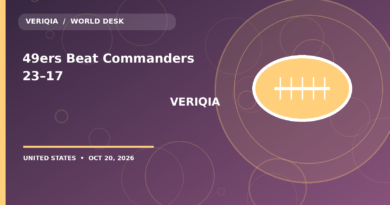
Fantasy managers and supporters are searching for immediate answers. The responsible response is to separate what happened on the field from what remains unknown. The injury occurred during a 23–17 defeat, and the player’s status beyond that night is unresolved in the initial official report.
What to watch next
Watch for the Commanders’ formal injury report and Quinn’s next media availability. Avoid circulating unverified scans, supposed private medical details or exact return dates attributed to anonymous social posts. The confirmed update is that further assessment was planned.
A closer look at the evidence
A serious-looking scene on the field can generate an enormous amount of speculation within minutes. In McLaurin’s case, the confirmed details are that he was hurt, left the game and would undergo further evaluation. The coach’s concern is significant, but it is not a medical diagnosis. Describing a ligament tear, surgical requirement or season-ending absence as fact before imaging results would be irresponsible.
What readers can do now
The immediate action is to consult the authoritative record and identify the detail relevant to your own situation. For team selection, that may mean checking an official timetable, a published list, a match centre or a product notice rather than relying on a search-result preview. Save the date and context of the information you use; this makes it easier to tell whether a subsequent update supersedes it. If the story affects a decision involving money, travel, safety or eligibility, verify the decision-critical details directly with the responsible organisation before acting.
What the original source establishes
The NFL report says McLaurin was carted off, ruled out and scheduled for scans. Coach Quinn expressed concern without providing a diagnosis. A later injury designation may change the story, so the publication time of each update matters. A report of concern should not be rewritten as proof of a particular ligament injury or an operation.
How the wider story could develop
For players and coaches, the next stage will be more revealing than the search ranking itself. A subsequent statement could clarify a timetable, a decision, a result or a practical change; it might also narrow an earlier estimate. The direction should be judged against that new evidence, not against expectations formed from a headline. It is worth returning to the original source when a significant update appears. The point of following a developing story is to improve understanding over time, rather than to preserve the first interpretation at all costs.
Why this topic is being searched
McLaurin searches rose alongside the 49ers game because an injury scene prompted immediate concern. Related queries can quickly become more specific than the information available, asking for diagnosis or return date. That is exactly when editorial restraint matters. An injury search trend establishes public interest, not a medical finding.
What is still unknown
There are limits to what the available material can support. The official source may not yet settle every question about momentum, and the timing of subsequent announcements may depend on conditions that change. It would be misleading to fill those gaps with precise-sounding guesses. Claims about future consequences should be framed as possibilities, not settled facts, unless an accountable source has supplied evidence. That distinction protects readers from needless alarm and also avoids giving false reassurance. The useful question is not whether the story feels complete, but which parts can be checked independently today.
A practical detail worth checking
For Washington, the football implications are real even while the medical outcome remains uncertain. A leading receiver influences defensive spacing and the routes available to other players. Coaches may need contingency plans for practice and the next game, but those plans do not prove how long he will be out. The next official injury report is the right point for an update.
The key takeaway
For readers following terry mclaurin in United States, the strongest account is the one that keeps the confirmed event separate from the questions still awaiting an answer. Watch for the Commanders’ formal injury report and Quinn’s next media availability. The source establishes the specific development described here; later outcomes, local effects and personal decisions may require a newer record. Keeping those boundaries visible makes the story more useful than a rapid succession of unverified updates.
Official source and latest status
The primary reference is the original source notice. The facts above were checked on October 20, 2026. Later official notices may change the situation; search interest does not independently verify the underlying claim.