
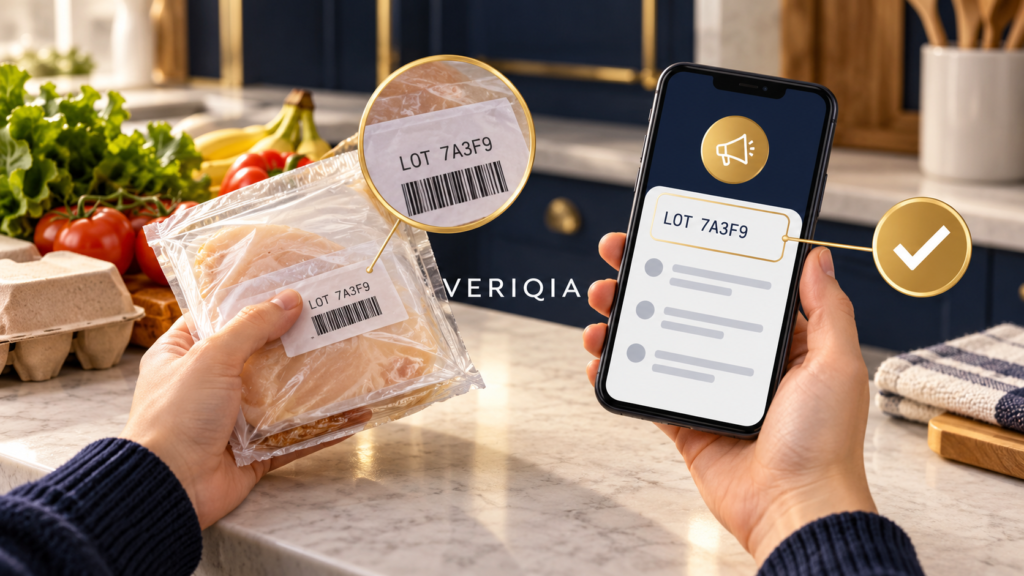
Food Recall Alert: How to Check If a Product in Your Kitchen Is Affected
When “food recall” starts trending, a brand name alone is not enough to tell you whether the item in your kitchen is affected. Notices may apply only to a particular product size, lot number, date range or market.
Check the official recall notice, match every identifier on the package and follow that notice’s instructions. If the item is affected, stop using it. The same method works for groceries bought at a local shop or delivered online.
What is a food recall?
A recall removes or corrects a food product because it may be unsafe, contaminated or mislabelled, including when an undeclared allergen is present. The notice should explain which product is involved and what consumers should do. A recall headline does not mean every product made by a company is affected.
Where can you find the official notice?
Start with your country’s food-safety authority or the manufacturer’s published notice. In the United States, the FDA provides recall notices for the foods it regulates; other agencies cover some categories. In other countries, use the national or regional food regulator. Retailers may also contact buyers directly when they have purchase records.
Which details should you compare?
- Exact brand and product name.
- Package size and type.
- Lot or batch code.
- Best-before, use-by or production date.
- Barcode or UPC where listed.
- Markets, stores and distribution dates.
The code can be printed on a lid, seal, side label or base. Take a clear photo of it before discarding packaging if you need to ask the seller or manufacturer.
What if the product name matches but the lot code does not?
Read the complete notice. If it names only specific lots, matching the name alone does not establish that your package is recalled. If the code is unreadable or the notice is unclear, contact the seller or manufacturer using official contact details before consuming the item.
What should you do with a recalled food?
Stop eating or serving it. Follow the recall’s instructions for returning, disposing of or otherwise handling the product; do not pass it to another household, charity or pet. Where contamination is possible, clean surfaces and containers that touched the food according to the regulator’s guidance.
What if you already ate it?
The reason for the recall matters. An undeclared allergen, a pathogen and a labelling error pose different concerns. Review the notice for symptoms and affected groups, and seek medical care if symptoms or an allergic reaction occur. Keep the package details and note when you consumed the product.
Can you rely on a viral screenshot?
No. Screenshots can crop out the relevant lot code or circulate long after a recall ends. Open the original notice and check its publication date and any updates. A retailer’s message should link to the precise item and action rather than merely say “all products are unsafe.”
How can you catch future recalls?
Check whether your food regulator offers email or app alerts. Save digital receipts for higher-risk refrigerated foods and products used by someone with a serious allergy. The FDA, for example, offers recall notifications and product-specific details.
The decisive question is not “Is this brand in the news?” It is “Does my exact package match the notice?” A careful two-minute check can prevent both needless alarm and a missed warning.