
World Rabies Day 2026: what to do after an animal bite
World Rabies Day falls on 28 September. The 2026 theme, “Stronger Together,” focuses on the combined work of communities, veterinarians, health workers and public agencies to prevent a disease that remains deadly once symptoms appear. The day is a reminder that a bite or scratch from a potentially rabid animal needs prompt medical attention, even when the wound looks small.
What to do after a possible exposure
Wash a bite or scratch immediately with soap and running water for at least 15 minutes, then seek medical care without delay. A clinician can assess the exposure and decide on post-exposure treatment. That may include a course of rabies vaccine and, for severe exposures, rabies immunoglobulin or monoclonal antibodies. Do not wait for symptoms before seeking care.
Dogs are responsible for almost all human rabies cases worldwide. Saliva can transmit the virus through bites, scratches or contact with broken skin or mucous membranes. A person should not try to decide that an animal is safe based only on its appearance. Medical assessment matters because the treatment needed depends on the type of exposure.
Prevention starts before a bite
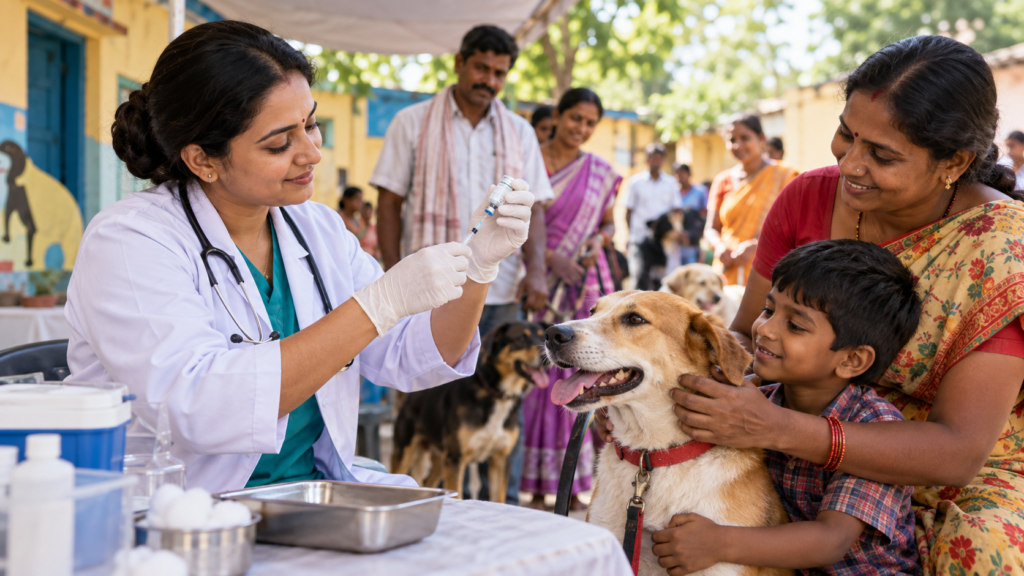
Vaccinating dogs stops transmission at its main source. Education about animal behaviour and responsible care can reduce bites, especially among children. Strong reporting systems help health and veterinary teams identify risks and respond. These are the linked efforts behind the campaign’s One Health approach, which treats human and animal health as connected.
The World Health Organization says rabies causes tens of thousands of deaths each year, mainly in Asia and Africa. Its updated 2026 fact sheet stresses that timely post-exposure prophylaxis can prevent deaths. It also notes that dog vaccination, access to human treatment, surveillance and community awareness must work together.
Why the campaign matters in 2026
The World Health Organization points to Bhutan and Chile among countries validated for eliminating dog-mediated human rabies as a public-health problem. Such milestones do not mean prevention can stop; maintaining vaccination and surveillance is part of keeping transmission from returning.
For readers, the immediate message is practical: avoid risky contact with unfamiliar animals, keep pets vaccinated according to local veterinary advice, and act quickly after any suspected exposure. This report is general information; an individual bite or scratch calls for a healthcare professional’s assessment.