
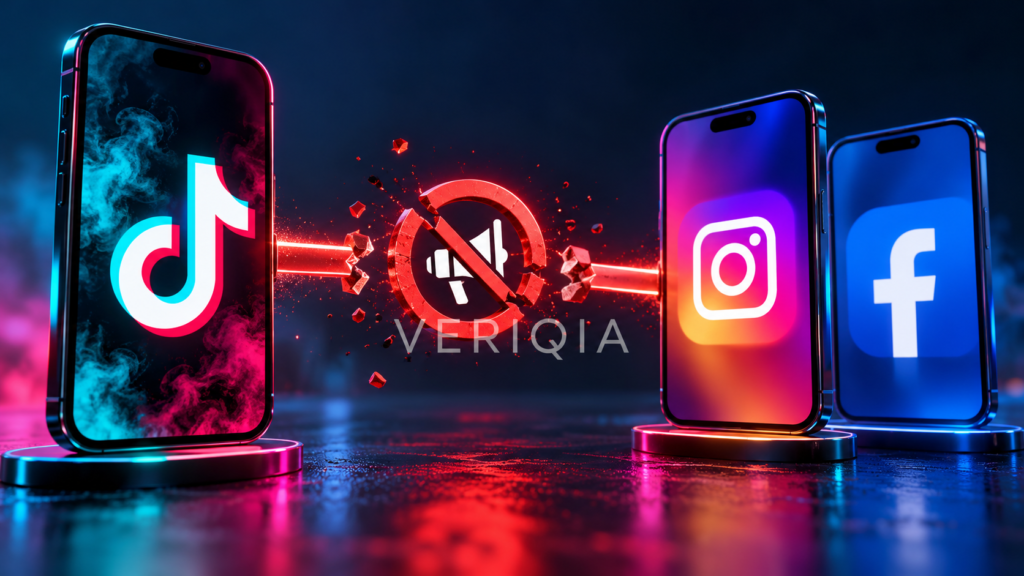
Can TikTok Still Advertise on Instagram and Facebook After Meta’s New Ban?
Meta has blocked advertising by TikTok owner ByteDance on Facebook and Instagram in several countries, including the US and Canada. The restriction also affects some third-party ads linking to TikTok, but it is not a blanket ban on users mentioning or sharing TikTok content.
What did Meta ban?
The October 2026 move targets paid promotion, not ordinary conversations about TikTok. The countries reported as affected include the United States, Canada, Egypt, Indonesia, Japan, Thailand and Vietnam. Brands should not assume every campaign that mentions TikTok is rejected: the destination and promotional purpose matter.
Why reject a paying advertiser?
Because attention is the product. An Instagram ad encouraging someone to install TikTok can generate revenue for Meta today while redirecting that person’s viewing time away from Reels tomorrow. Meta says it is normal not to promote a direct competitor, but that rationale also reveals how fiercely platforms compete for daily habits.
Does this change anything for creators?
A creator uploading videos to both apps is not the same as ByteDance buying user-acquisition ads. The distinction matters: cross-posting isn’t automatically prohibited. The practical lesson is to build an audience that knows your name on each platform rather than relying on ads that move people from one platform to another.
What brands should check now?
- Audit Meta campaigns that link directly to TikTok or other ByteDance properties.
- Check rejected ads and applicable market rules before reusing creative.
- Build Facebook- and Instagram-native landing pages where appropriate.
- Measure conversions and retention on each platform independently.
The larger fight
Today’s social apps want to be destinations, not signposts. Instagram has Reels; TikTok has a powerful discovery engine; YouTube has Shorts. That makes the old practice of advertising one social network inside another far less comfortable for the companies running them. A policy that sounds technical to advertisers says something much larger about the future of the social web.
If more platforms stop accepting ads from direct rivals, will creators become more independent—or more trapped inside each app?