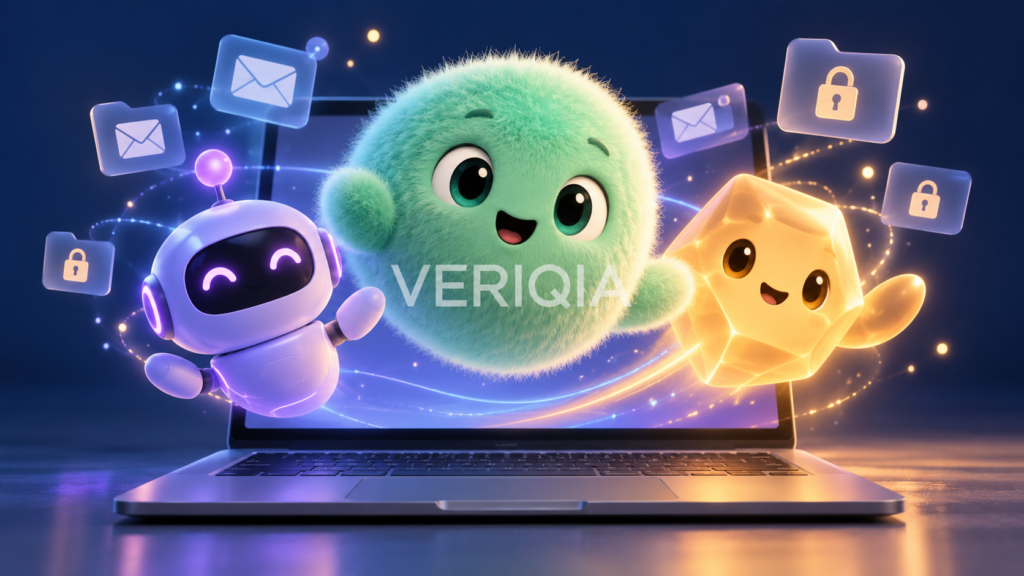
Why Are AI Agents Getting Cute Avatars? The Strategy Behind Friendly AI Faces
AI agents use friendly names, avatars and personalities to make increasingly powerful software feel approachable and memorable. That can improve usability, but a cute character does not make an agent’s access to emails, files or apps any less consequential.
From chatbot to character
An old-fashioned chatbot waited inside a text box for a question. Newer agents aim to accomplish multi-step tasks using connected tools, sometimes across apps and websites. As products such as Meta’s Muse and OpenAI’s Dots bring agent capabilities into mainstream discussion, interface design matters as much as capability.
Why a mascot works
- A face or character gives the service an identity users remember.
- Friendly language reduces the intimidation of unfamiliar features.
- Personalization can make repeat use feel natural.
- A recognizable character helps a company stand out in a crowded market.
- Those same cues can encourage unwarranted trust if permissions are hard to inspect.
The permission problem
Compare ‘Authorize autonomous access to your inbox’ with ‘Let your helper organize your day.’ The second sounds warm, but the underlying request might be identical. Interface friendliness and technical safety are separate questions. Look for clear approval steps, action logs and simple ways to revoke access.
Why companies want personal agents
A question-answering tool is easy to switch. An agent that remembers preferences, is connected to workflows and has a recognizable personality can become harder to leave. That creates convenience for users and a commercial advantage for platforms. It also makes portability and control over personal information more important.
What to ask before connecting an agent
- Can it only read, or can it send and change things?
- Does it ask before purchases, posts and emails?
- Can you see what actions it took?
- How do you disconnect accounts and clear retained information?
- What happens if it misunderstands a task?
These questions matter much more than whether its avatar smiles.
The cultural shift
Computers once looked like tools users operated directly. An agent can feel more like a delegated helper, even though it remains software capable of mistakes. Good product design can make that transition easier without pretending that a digital character is a human friend. The strongest trust signal is transparent control.
Would a friendly AI avatar make you more comfortable delegating tasks—or more cautious about what the software can do?