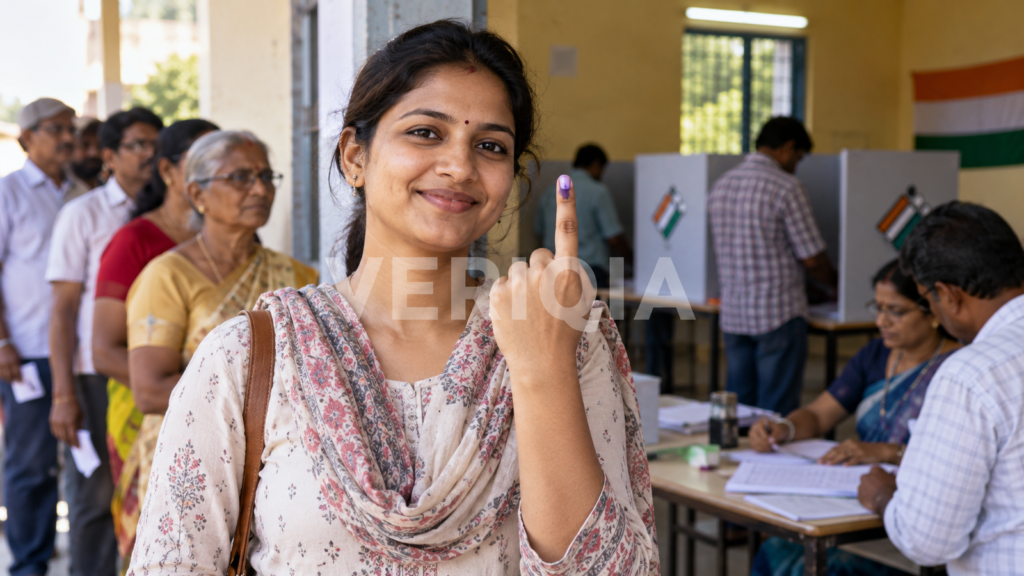
How to Check Your Name on the Voter List Before Election Day
Being registered to vote is not the same as having a valid voter-list entry at the polling location where you plan to vote. Before election day, check your name through the official election authority for your country, state or constituency. Verify the spelling, electoral district, polling location and any status requiring action. In India, voters can use the Election Commission’s official electoral-search services and local election offices; in other countries, election administrators provide their own portals. A voter identification document alone may not resolve a missing or outdated record. The best time to check is well before the correction deadline.
Start with the official election authority
Find the national or local election commission responsible for the election. Prefer links reached from a government election website, not a message forwarded in a chat group. Some jurisdictions allow searching by voter ID number, name, age, address or district. Be aware that spelling formats, transliteration and common names can produce confusing results. Check several legitimate search options if the first lookup fails. An official portal may undergo maintenance or high traffic, so one failed search is not proof that your name has been removed. If there is uncertainty, contact the local election office using contact details published by the election authority.
Verify more than just your name
Confirm constituency or district, polling station, address, age or date-of-birth details where shown, and the election for which the record is valid. Moving house can change the location where you are entitled to vote. A matching name elsewhere in the district is not necessarily your registration. Where the system provides an electoral part number or serial number, record it securely for reference. Do not post personal identity documents or complete voter records publicly. Screenshots can become outdated when polling locations change, so check the official election notice closer to voting day.
What if the name is missing
Do not assume a last-minute fix is always possible. The authority may require a new registration, transfer, correction or appeal process using a prescribed form. Eligibility and deadlines differ by country and election type. In India, the Election Commission and the appropriate electoral registration officer can explain the relevant application route. Submitting a form does not necessarily mean it has been approved, so check status and keep any acknowledgement. Never pay a stranger to guarantee an instant correction. A legitimate election office may provide a complaint or grievance mechanism if an application appears stuck.
Name or address errors
Small spelling differences, a changed surname or an old address can make a lookup difficult. Use official correction procedures and provide only the information specifically requested. If you recently changed districts, determine whether you need a transfer rather than a duplicate registration. A mismatch between a national identity document and the electoral roll may need to be resolved before a deadline. The exact supporting records vary, so do not assume every election requires the same proof. Keep copies or references for forms you submit and check the updated register after processing.
Poll-day preparation
Use the official source to check the polling date, voting hours, station accessibility and accepted identification. Some areas publish a voter information slip that makes locating the assigned station easier, but its legal role varies. Plan travel time, particularly where there are queues, weather disruptions or security restrictions. Accessibility assistance and absentee or early-voting options must be checked locally. Do not rely on a friend’s recollection of the previous election because ward boundaries and station locations can change. Carry only lawful and permitted items inside the polling premises and follow election-officer instructions.
Avoid election-related scams
Fraudulent links can imitate voter registration portals and collect identity details. Check the domain carefully; look for official election notices and do not enter banking credentials into a voter lookup. A message claiming that registration will be cancelled unless you pay an urgent fee is suspicious. If a person says they can guarantee voting access in exchange for money, verify directly with the election office. Political ads and social posts may share outdated information about deadlines or eligibility. Keep election facts separate from political persuasion by checking original government election instructions.
A worked example to consider
Consider two people making the same decision in different circumstances. One has flexible timing and several alternatives, while the other has fixed commitments and little room to adapt. The correct choice depends on the constraints, not just an impressive number in the headline. Write down the starting conditions, the available options and what would make a plan unsuccessful. Compare the likely benefits with the costs you can actually measure. This approach prevents a single statistic, photograph or quote from dominating the whole decision. Revisit the conclusion if the underlying conditions change; that is a sign of good judgment rather than inconsistency.
What an official update can and cannot tell you
Official schedules, rules and notices are the best starting point, but they answer only the questions in their scope. A published regulation can confirm what is permitted without predicting how every participant will respond. A forecast can describe expected conditions without locating every future incident. A service announcement can establish availability without guaranteeing an individual experience. Read the document date, territory, definitions and exceptions, then separate verified facts from projections. If two claims appear to conflict, first check whether they refer to different dates, populations or measures before assuming one of them is false.
Frequently asked questions
Can I vote just by showing voter ID if my name is absent?
Eligibility rules vary, but identification alone does not necessarily replace a valid electoral-register entry. Confirm procedures with the responsible election office.
When should I check the voter list?
As early as possible, and again before election day if polling information could change. Corrections often have deadlines.
Should I use a third-party voter-search app?
Prefer official services. Third-party apps may have outdated data or unclear privacy practices.
Explore more related coverage in National & Politics on VERIQIA.