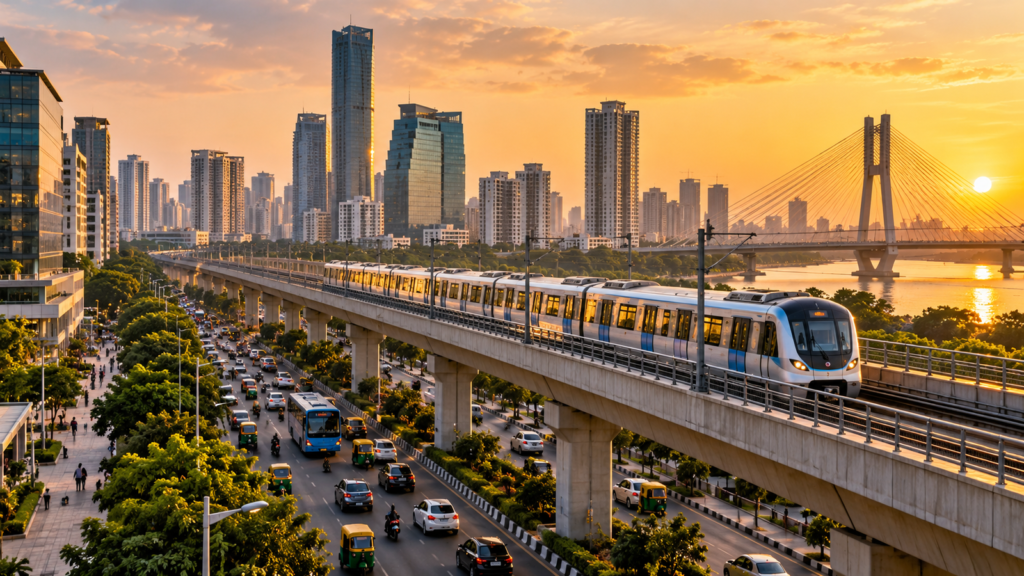
How a New Metro Line Changes Commutes, Housing and City Streets
A new metro line can make a city easier to move around, but the effect depends on much more than the number of kilometres built. Station placement, train frequency, fares, interchange connections and safe access from nearby streets determine whether residents actually benefit. The line may shorten some commutes, shift housing demand and encourage shops around stations, while construction can disrupt traffic and local businesses. A project announcement is not the same as an open, reliable transit service. To understand the impact on your neighbourhood, examine the entire journey from your front door to your final destination.
Travel time includes the first and last mile
A fast train helps only if commuters can reach the station without excessive delay. Measure walking distance, feeder buses, cycling access and the time required to change lines. A 20-minute ride can still produce a 60-minute door-to-door trip when the station is far away and trains are infrequent. Timetables, platform access and ticket queues also matter. Cities improve access by adding safe footpaths, crossings, cycle parking and coordinated bus routes. The best transport comparison accounts for waiting, transfers, comfort and reliability, not just the train’s advertised top speed.
How fares affect who uses the system
Metro fares may be priced by distance, zone, time or passenger category. The total daily cost includes feeder travel, parking and the return journey. A service can be fast but unaffordable for some households if it requires multiple separate tickets. Fare integration with buses and commuter rail can make a big difference. Discounted passes may help frequent riders, although their value depends on travel patterns. Compare a realistic month of travel rather than one promotional ticket. A city should monitor both ridership and accessibility because high headline passenger numbers do not necessarily mean every neighbourhood is well served.
Housing prices and local businesses
Convenient transit access can make an area more attractive for residents and employers. Some station neighbourhoods see additional shops, offices or redevelopment. But property prices respond to many factors, including schools, employment, interest rates and building supply; a new metro stop does not guarantee gains. Rising rents can also put pressure on existing residents or small traders. Business impact depends on station entrances, pedestrian circulation and street design. Local authorities can help through transparent planning, better public space and attention to affordable housing. Claims that a project will transform the property market should be supported by local evidence, not speculative advertising.
Construction disruption versus long-term benefit
Metro construction can involve road closures, utility relocation, dust, noise and temporary loss of storefront access. Phasing work carefully and publishing detour plans can reduce disruption. Safety barriers, emergency access and clear signage matter during construction. Once work finishes, travellers may still need time to learn new patterns. Opening a section of line does not automatically mean full network benefits are available; a missing interchange or unfinished entrance can limit usefulness. When reporting project progress, distinguish planning approval, civil construction, system testing, safety certification and the start of passenger operations.
Accessibility and passenger experience
Good metro design includes lifts, escalators, accessible entrances, tactile guidance, readable signage and clear emergency instructions. Reliability involves more than trains arriving: ventilation, lighting, platform safety and information during delays affect trust. Crowding during peak hours can make an otherwise short journey uncomfortable. Stations also need safe surrounding crossings, especially for children, older adults and people with mobility needs. Accessibility features should be assessed in actual operation, not merely listed on a project brochure. User feedback and public service reports can help identify everyday gaps after opening.
How to evaluate a metro project locally
Use the transit agency’s official route map, planned station list, fare proposal and project milestones. Compare predicted door-to-door journeys using realistic transfer and waiting times. Look for feeder transport plans and measures to manage construction effects. Ask whether the project connects major homes, jobs, hospitals and schools or mostly follows roads with easier construction. Check promised completion dates against the latest engineering and safety updates. A sound evaluation also considers cost, ridership forecasts, operating funding and environmental effects. The practical test is whether more people gain reliable, affordable access to the places they need.
A worked example to consider
Consider two people making the same decision in different circumstances. One has flexible timing and several alternatives, while the other has fixed commitments and little room to adapt. The correct choice depends on the constraints, not just an impressive number in the headline. Write down the starting conditions, the available options and what would make a plan unsuccessful. Compare the likely benefits with the costs you can actually measure. This approach prevents a single statistic, photograph or quote from dominating the whole decision. Revisit the conclusion if the underlying conditions change; that is a sign of good judgment rather than inconsistency.
What an official update can and cannot tell you
Official schedules, rules and notices are the best starting point, but they answer only the questions in their scope. A published regulation can confirm what is permitted without predicting how every participant will respond. A forecast can describe expected conditions without locating every future incident. A service announcement can establish availability without guaranteeing an individual experience. Read the document date, territory, definitions and exceptions, then separate verified facts from projections. If two claims appear to conflict, first check whether they refer to different dates, populations or measures before assuming one of them is false.
Frequently asked questions
Will a metro automatically reduce road traffic?
Not everywhere. It may shift trips from cars and buses, but the outcome depends on routes, fares, service quality and broader travel demand.
Do homes near stations always rise in value?
No. The effect varies with housing supply, local amenities, nuisance and many economic conditions.
Does project completion mean trains are running?
No. Testing, approvals and phased commissioning can follow major construction. Confirm the passenger opening date with the transit operator.
Explore more related coverage in VERIQIA In Depth on VERIQIA.