Kabaddi Roles Explained: Raiders, Corners, Covers and Team Balance
Kabaddi players rotate between raiding and defending, but successful teams still develop specialist skills. Corners, covers and raiders have recognizable responsibilities in common professional systems.
What the raider must accomplish
One player enters the opponent’s half during a raid, seeks legal points and must return safely before the raid ends. The raider balances speed, footwork, touch skills and awareness of the boundary. A successful raid can score touch points or a legal bonus in relevant circumstances. Reckless movement can instead give the defense a tackle point. The role is not equivalent to a permanent striker position because players defend between their own turns to raid.
What corners do on defense
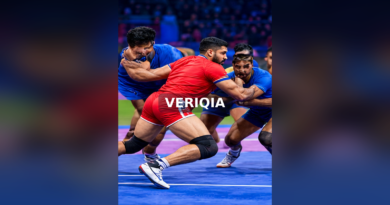
Corner defenders operate toward the ends of the defensive formation and often initiate or finish difficult tackles. They need strength, timing and awareness of a raider who attacks open space near the boundary. An ankle hold or a coordinated block may be decisive, but a mistimed lunge can create an escape route. Corners must communicate with central defenders because isolation is precisely what a skilled raider wants.
Why covers are important
Cover defenders occupy positions closer to the center and support the corners. Their tasks include closing gaps, reading a raider’s direction and coordinating team tackles. Successful cover play is less about individual highlight moves than about reaching the correct space at the right moment. A cover who rushes alone can disrupt the entire formation. Good coverage requires repeated training and shared defensive calls.
How all-rounders fit a lineup
Some players are proficient in both raiding and defending, which can give coaches flexibility during substitutions or injuries. Yet all-rounder does not mean equal excellence at every task. A player may be a useful secondary raider while mainly contributing tackles. Building an effective lineup depends on complementary strengths, not just filling a team sheet with famous names. Matchups can require adjustments as the opponent changes tactics.
Why left and right sides matter
Defensive positions are often described as left corner, right corner, left cover and right cover. A raider’s preferred foot, direction and signature move can create different pressure on each side. Coaches study these tendencies and align defenders accordingly. That does not mean a player can never switch. It means team shape and familiarity can affect reactions during a raid that lasts only a short time.
The connection between roles and revivals
Eliminated players can return when their team earns qualifying points under the rules. Losing a strong corner may change the defense’s ability to stop raids; reviving that player can restore a planned combination. Coaches therefore track not only the score but also which specialist is on court. A side with a numerical advantage may still face trouble if the remaining defenders are poorly balanced or unfamiliar together.
How strategy changes near an all-out
A team reduced to a handful of defenders may attempt disciplined super tackles, while the opponent looks for low-risk opportunities to eliminate the last players. The positional jobs become harder because there are fewer teammates to close gaps. With seven defenders, synchronized pressure can trap a raider; with two or three, defenders must avoid reckless isolation. Tactical patience matters as much as physical contact.
How to watch more intelligently
Rather than following only the raider, watch how defenders reposition as the attacker moves toward a corner. Identify the first player who commits, the cover who supports and whether the boundary limits the escape. Track revivals and substitutions after each raid. Reading those patterns reveals why apparently routine stops require precise timing, and why a defender can influence a raid without making the final tackle.
A simple way to evaluate a lineup
Rather than naming the most famous player, ask who is the primary raider, who can take a second raid when that player rests, and which corners and covers have experience working together. Note whether an all-rounder provides real defensive value or simply a spare raiding option. Then watch what happens after one corner is eliminated. Does the team move a teammate into that space, accept a risky mismatch or change the timing of its tackles? Those choices explain far more about team quality than a list of player positions alone.
How the coaching huddle changes tactics
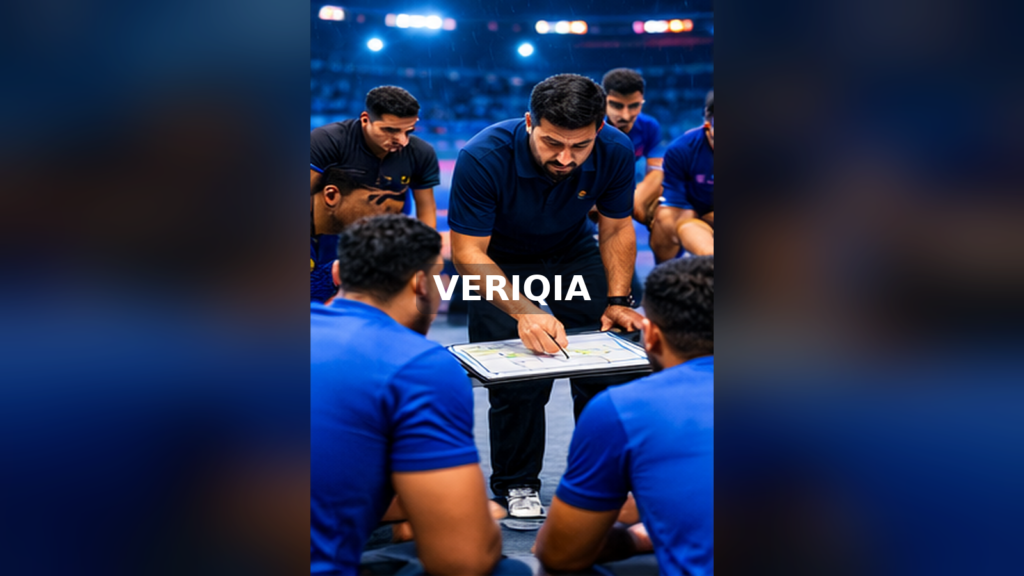
Coaches can plan which raider attacks which defender, how covers support corners and when to slow the pace. In practice, each raid presents a new combination of active players, fatigue and score pressure. A well-prepared side communicates rapidly and avoids isolated challenges that open escape routes. Learning the roles helps fans understand those adjustments: even a player who does not score may be preserving the shape that allows a teammate to succeed on the next raid.
Worked example
Worked example: A raider feints toward the left corner. If that corner lunges too early while the nearby cover stays central, the raider may exploit the gap. If they move together and close the exit route, the same feint may produce a tackle. Team coordination changes the outcome.
Frequently asked questions
Do raiders defend too?
Yes. Teams alternate possession, so players participate in defense as well.
Are corners always the best tacklers?
They are specialist roles, but effectiveness depends on personnel and team tactics.
What is a cover defender?
A supporting defensive position closer to the middle of the formation.
Why do teams care about revivals?
Reviving key specialists restores tactical balance as well as numbers.
Read more relevant explainers in VERIQIA’s related coverage.