City Water Supply Explained: Treatment, Shortages and Reporting Problems
Urban drinking water typically moves from a river, reservoir, groundwater source or other supply through treatment, pumping, storage and distribution before reaching a household tap. Shortages can occur at any stage, including source depletion, power disruption, pipe leaks and demand spikes. To report a problem effectively, identify whether it affects only one building, a street or a wider service area, and contact the official water utility with the location and time.
From source to treatment
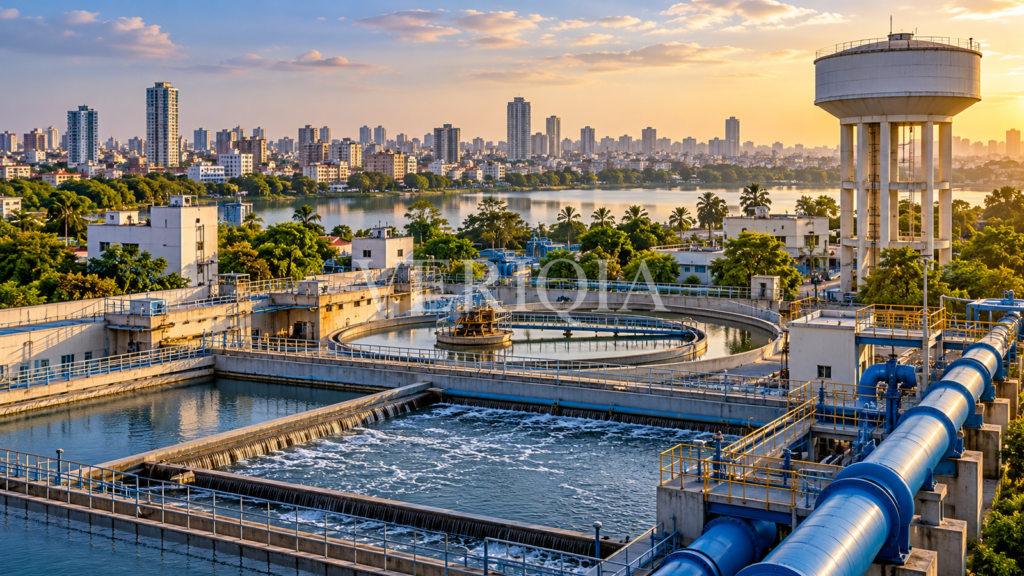
Water utilities draw from sources with different seasonal and quality characteristics. Treatment generally includes processes intended to remove suspended material and reduce microbial risk, though the exact steps depend on the source and local requirements. Filtration, clarification and disinfection are common elements. A large tank visible in a photograph may be a settling basin rather than a drinking-water reservoir. Knowing the stages makes it easier to interpret reports of plant shutdowns or changes to water quality.
Pumping, tanks and pipes
After treatment, water moves through mains, pumping stations and storage facilities toward neighborhoods. Pressure varies with elevation, demand and the network’s operating design. An overhead tank may help buffer short-term changes, but it cannot compensate indefinitely for inadequate supply. A newly built treatment plant also needs reliable distribution pipes to deliver benefits. Municipal announcements should specify both additional treatment capacity and the areas actually connected to it.
Common causes of low pressure
Low pressure may reflect peak-hour demand, upstream supply limits, a burst main, valve maintenance or unauthorized connections. A problem limited to an apartment building may result from internal pumps, rooftop tanks or private plumbing. First ask nearby households whether they face the same issue. That simple comparison helps distinguish a municipal outage from a building-level fault. Do not attempt to open public valves or tamper with utility equipment to restore pressure.
Why supply is sometimes intermittent
Some utilities distribute water during scheduled windows because available volume or network conditions do not allow continuous pressure. Residents may store water in clean containers or household tanks. Intermittent supply can create operational challenges, including pressure fluctuations and contamination risks where pipes are damaged. Published schedules may change during maintenance or drought. The most reliable information is the utility’s dated service notice, not a years-old neighborhood timetable copied online.
What water quality reports mean
Utility testing may cover microbial indicators, disinfectant residuals, turbidity and chemical parameters. Different results imply different remedies. Clear-looking water is not automatically safe, and cloudy water does not by itself prove a particular contaminant is present. Follow official boil-water or alternative-supply notices exactly when issued. Home filters vary in the hazards they address, and not every unit removes dissolved contaminants. Do not replace official public-health guidance with visual inspection alone.
How to report an interruption
Give your full street, nearest landmark, service connection number where required, time water stopped and whether neighboring homes are affected. Describe unusual color, taste or smell without claiming a chemical cause you cannot verify. Keep complaint numbers and photographs of visible leaks where they can be taken safely. Many cities provide municipal grievance portals or helplines. Avoid publishing account identifiers or household details on an open social-media thread.
Leakages and non-revenue water
Water can be lost through physical leaks, meter errors and unauthorized use before it reaches customers. Utilities often call this non-revenue water. Repairing leaks, monitoring pressure and maintaining meters can improve supply without immediately creating a new raw-water source. But fixing a visible street leak may not end a wider shortage if treatment and reservoir levels remain constrained. Project reports should distinguish pipeline replacement from genuinely increased delivered volume.
Planning during an outage
Use dated utility advisories to estimate the interruption window and any tanker distribution arrangements. Prioritize essential safe drinking and sanitation needs. Store water in covered, clean containers and do not use containers previously holding hazardous substances. For people with medical equipment or care needs dependent on water, seek appropriate local support early. A tanker arrival announced for a neighborhood does not guarantee every lane can be served at the same time.
Understanding large projects
New pipelines, filtration plants, pumping stations and reservoirs may be funded under different urban programs. The meaningful milestones are commissioning, connection and reliable service rather than a ceremonial groundbreaking. Check which wards receive water, how often and at what pressure. Ask whether planned operating costs and electricity needs are funded. A city can announce increased treatment capacity while old distribution lines still limit supply in some neighborhoods.
Questions worth asking officials
Useful questions include: which neighborhoods are affected, what caused the disruption, when is service expected to resume, what is the alternative supply plan and where can residents track updates? If contamination is suspected, ask which official test and advisory support the conclusion. For a chronic low-pressure area, request the maintenance and improvement schedule. A good answer should provide specific locations and dates rather than a generic assurance that water issues are being addressed.
Bottom line
Water delivery is a connected system of source, treatment, pumping, storage and household pipes. Effective reporting starts with identifying the scale of the problem and using the correct utility channel. For long-term solutions, leak repairs and distribution reliability may matter as much as adding treatment capacity. Readers should rely on official service and water-quality advisories when deciding what water is safe to use.
Frequently asked question
Is clear tap water always safe to drink?
No. Appearance alone cannot establish microbiological or chemical safety; follow the utility’s current official advice.