Designer vs High-Street Fashion: How to Compare Quality and Value
Designer clothing and high-street fashion differ in brand positioning, pricing, distribution and sometimes materials and construction, but a high price alone does not guarantee better quality. The best comparison considers fabric, stitching, fit, repairability, wear frequency and total cost. A carefully made affordable coat may last longer than a delicate expensive one that does not suit your routine. Start with the garment rather than the logo.
What these labels mean
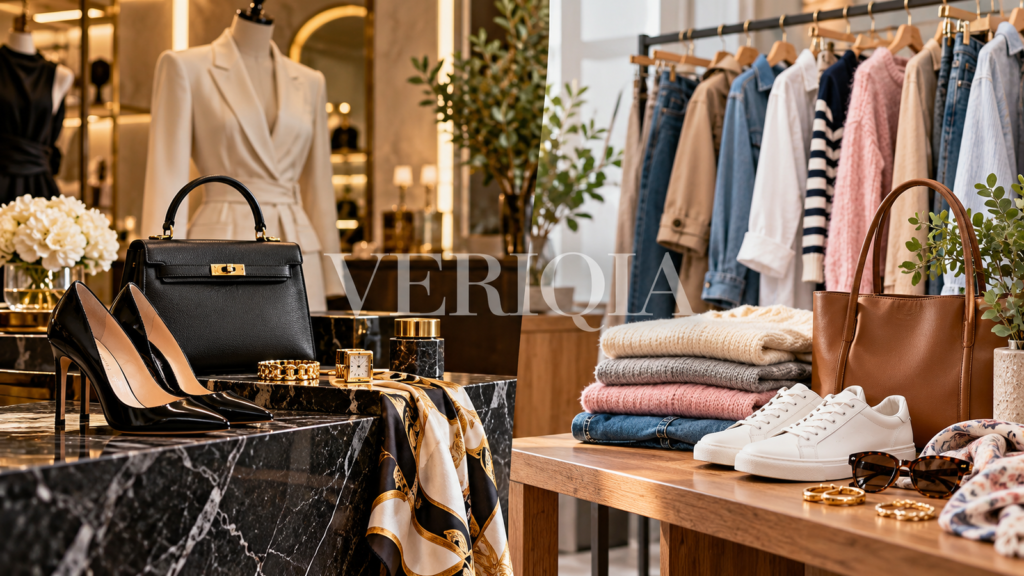
Designer fashion often refers to pieces created under a recognized fashion house or high-end label, sometimes with distinctive creative direction and limited distribution. High-street refers broadly to widely accessible retail clothing across price levels. Both groups contain different standards of quality and manufacturing. Some luxury products emphasize craftsmanship and service; others reflect trend-driven collections. Some high-street labels invest in durable fabrics. Treat the labels as market categories, not quality guarantees.
Check fabric content first
A fabric label can tell you about fiber composition but not everything about cloth quality. Cotton, wool, linen, polyester and blends have different properties. Fine wool may drape beautifully yet need careful maintenance; synthetic fibers may resist wrinkles but trap heat in certain constructions. Feel density, surface finish and comfort, and look for transparency under light where relevant. Examine whether the fabric matches the garment’s intended use rather than assuming natural always means better.
Construction you can inspect
Look at seam consistency, loose threads, lining attachment, buttons, zippers and pattern alignment. A tailored jacket may have structured shoulder work and a well-finished interior, while a casual T-shirt benefits from a stable neckline and stitching that tolerates washing. A decorative detail can look expensive without making a garment durable. Turning an item inside out often reveals more than the front-facing logo. Small flaws matter especially when a product is sold at a premium price.
Fit is part of value
The right size is not always the best fit, because brands use different proportions. Notice shoulder placement, movement at the elbows, waist comfort and how the fabric behaves when sitting. A simple affordable garment that fits naturally may look better than a luxury piece requiring major alteration. Tailoring can improve some items, but changes to shoulders, complex embroidery or delicate fabric may be costly. Factor likely alteration expenses into your purchase decision.
Price and cost per wear
Cost per wear divides the price paid by the number of times you use the item. A coat costing 200 units worn 100 times averages 2 units per use before care costs; a dress costing 80 units worn twice averages 40 per use. The arithmetic is a planning tool, not a claim that frequent wear automatically makes a purchase sensible. Include cleaning, alterations, repairs and resale friction. Buying fewer useful items can be more economical than chasing endless bargains.
Brand value versus practical value
Part of a designer price can reflect design, marketing, store experience, exclusivity and brand heritage. Some buyers value those attributes, and that preference is legitimate. But if the goal is a daily work wardrobe, comfort and durability may matter more than prestige. Ask whether the design is truly distinctive and whether you would still like the item without the visible branding. This separates personal enjoyment from a quality claim that might not be supported by the garment.
Care requirements
Read the care label before buying. A beautiful item that needs specialist cleaning after every wear may be inconvenient and expensive. Wool knits can require careful storage, while silk and delicate trims may need gentle handling. Machine-washable pieces are not inherently lower quality; suitability depends on how they perform after repeated cleaning. Estimate the time and cost needed to keep the item looking good. Maintenance can substantially change lifetime value.
Repairability and after-sales support
Check whether buttons can be replaced, zippers repaired and soles resoled where relevant. Some brands offer repairs or care services, while others do not. A strong warranty may have exclusions, and international purchase protections can vary. Ask for the terms in writing. For handbags, look at handle attachments and stress points; for shoes, examine soles and heel construction. A product that can be repaired easily may stay useful longer than one that must be discarded after minor damage.
Ethics and sustainability
No brand tier has a monopoly on responsible production. Claims about recycled materials, labor standards or traceability should be backed by specific evidence rather than attractive green labels. Buying secondhand, repairing clothes and wearing existing items longer can often reduce the need for new production. However, a secondhand purchase still needs condition checks and, for branded items, authenticity assessment. Consider packaging and returns without letting a marketing slogan substitute for documented practices.
How to build a balanced wardrobe
Start by identifying the pieces you wear repeatedly: perhaps trousers, breathable shirts, versatile footwear and an outer layer suited to local weather. Spend more where fit, durability and repeated use justify it, and less on experimental trends. Photograph combinations you already own before buying. A wish list and waiting period can prevent impulse purchases. You do not need to choose only designer or only high-street; a purposeful mix may meet your style and budget better.
Bottom line
The useful question is not whether designer is always better, but whether a particular item earns its place in your wardrobe. Inspect materials, workmanship, fit, care requirements, repair options and likely use. Pay extra only for benefits you can identify or for personal enjoyment you have consciously budgeted. Quality is observable in how an item performs, not in a logo or an advertising claim.
Frequently asked question
Does a designer label guarantee better stitching?
No. Inspect the actual fabric, seams, hardware, fit and durability rather than assuming quality from branding.