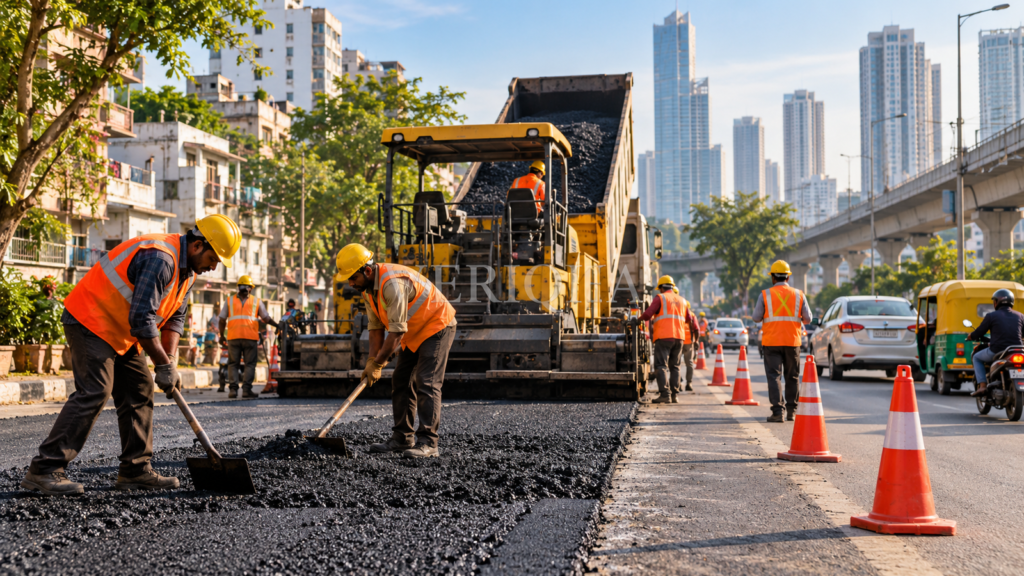
Potholes and Road Repairs: How to Report Damage and Track Complaints
To report a pothole or damaged road, first identify which authority maintains the stretch, then submit a dated location, photograph and description through its official complaint channel. Keep the ticket number and follow up if no progress occurs within the published service window. Different authorities may maintain national highways, state roads, municipal streets and private roads. A complaint sent to the wrong body can sit unresolved despite being technically submitted.
Understand road ownership
A road inside city limits is not necessarily maintained by the municipal corporation. It may belong to a state public works department, a development authority, a toll-road concessionaire or a housing association. Look for posted project boards, local body maps and official grievance categories. Junctions and flyovers can have separate custodians from nearby service roads. Establishing responsibility is the first practical step, especially when a problem lies near an agency boundary.
Document the defect safely
A useful report includes the street name, nearest junction or landmark, direction of travel, approximate lane and visible extent of damage. A map pin can help, but add words when GPS points to the wrong side of a divided road. Photograph the damage from a safe position; never stand in moving traffic to take a better picture. Include waterlogging, missing warning signs or exposed utility covers if relevant. Avoid uploading unrelated personal details.
Emergency hazards versus routine repairs
A small surface crack and an uncovered manhole present very different risks. Where immediate danger exists, use emergency or traffic-control channels rather than waiting for a routine maintenance ticket. Authorities may first place barricades and warning signs before a permanent repair is possible. That temporary action is not necessarily the final solution. Your follow-up should ask whether the location was made safe and when a lasting repair is scheduled.
Why patches sometimes fail
Road surfaces can deteriorate through repeated traffic loading, poor drainage, weak base layers, utility trenches or unsuitable patching during wet weather. Pouring new asphalt into standing water may deliver a short-lived improvement if the underlying cause remains. A durable repair often requires cleaning, correct materials, compaction and restored drainage. Readers need not become civil engineers to ask a useful question: will the work fix the structural problem or only cover the visible hole?
How timelines are set
The repair schedule may depend on defect severity, road classification, weather conditions, budget, contractor availability and traffic management. Priority for school approaches and high-speed roads can be justified by safety risk. At the same time, an agency should communicate where a complaint sits in the queue. Request a written estimate or tracking update where the service provides one. Avoid treating a political promise as a guaranteed repair deadline without an official work order.
What happens after submitting
Record the complaint acknowledgment and screenshot the summary before leaving the portal. Many systems allow status checks, while others require a helpline or local engineering office. A status marked closed may mean an inspection was completed rather than that a good repair has been delivered. If the road remains unsafe, reopen or appeal with a new dated photograph and reference to the previous ticket. Use factual language about conditions instead of guessing at motives.
Damage caused by utility works
Water, sewage, power and telecommunications agencies often dig across streets for repairs and connections. The permit may require reinstatement of the surface once work finishes. If a trench settles or remains open, determine whether responsibility lies with the road owner or the utility contractor. A photo of the worksite notice and permit number may help. Residents should not tamper with a trench or remove safety barriers even when repair delays are frustrating.
Accessibility and drainage
Damaged roads often affect pedestrians, cyclists and people with mobility impairments more than drivers. Broken footpaths, uneven curb ramps and puddles at crossings deserve separate reporting. A resurfaced roadway can still be difficult to use if drainage sends water onto sidewalks or if construction blocks a ramp. A good local repair report considers access to clinics, schools and bus stops, not only vehicle speeds. This also helps authorities prioritize high-impact locations.
If a crash or vehicle damage occurs
If someone is hurt, seek immediate assistance and follow local emergency procedures. For vehicle damage, keep photographs, location details and relevant receipts. Compensation rules vary by jurisdiction and depend on evidence and legal duties, so avoid assuming every pothole claim will succeed. A maintenance complaint and a formal compensation claim may be separate processes. Ask the authority for its published claim procedure rather than sending banking details to an unofficial contact.
How journalists can verify completion
An agency may report that a repair is finished, but an on-site photograph should confirm the correct segment. Compare the date, direction of travel and defect location rather than relying on a generic work crew picture. Note whether temporary barriers were removed, drainage was restored and traffic was reopened. Where possible, obtain the work order or completion notice. A local update is more credible when it documents the service delivered and remaining limitations.
Bottom line
Effective pothole reporting starts with ownership, safe evidence gathering and a traceable complaint. Clear follow-up helps separate acknowledgment from actual repair. Permanent solutions depend on drainage, underlying pavement condition and accountable reinstatement after utility works. Residents should not need to navigate a maze of offices merely to identify the correct agency. A practical local guide should point to the current official reporting system for its specific city.
Frequently asked question
Should I photograph a pothole from the traffic lane?
No. Take evidence only from a safe location and report urgent hazards through emergency channels.