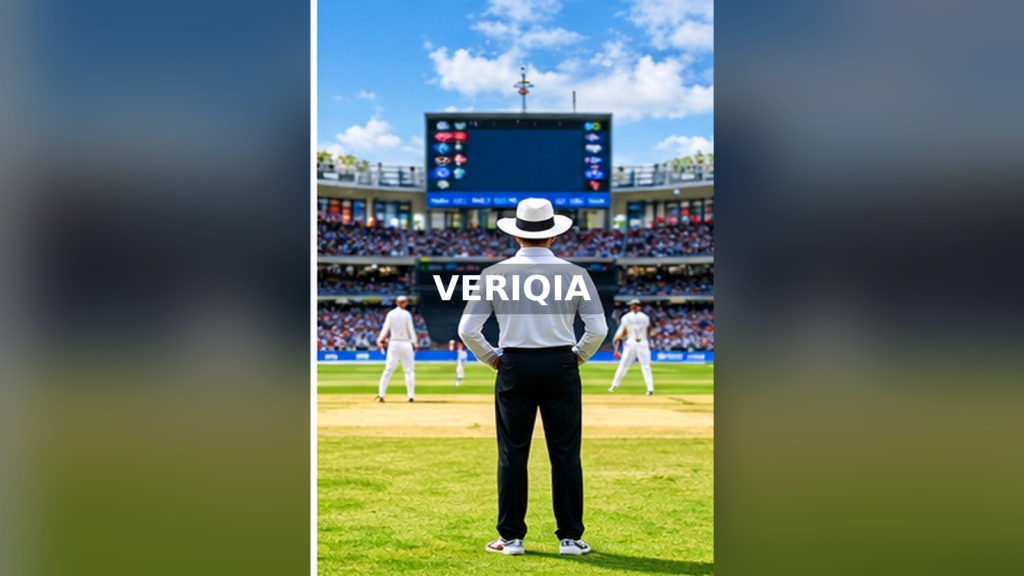
What Is a Super Over in Cricket? Rules, Ties and How Winners Are Decided
A Super Over is a short tie-breaker used in specified limited-overs competitions when the main match finishes level and a winner is required. Each side normally gets one six-ball over, but the detailed procedures depend on the tournament playing conditions.
Why a Super Over happens
When both teams finish with equal runs, a regular cricket match is tied. Some competitions permit a tie in the standings, while knockout tournaments may need a winner. A Super Over offers a compact contest after the match. It is not automatically used in every format or tournament. Fans should check the official competition conditions to know whether a tie-breaker applies and whether weather or time restrictions could change the process.
What each team does
Under commonly used limited-overs playing conditions, each team bats one over, usually six legal deliveries. The side scoring more runs in that over wins. The innings can end sooner if two wickets fall, under the applicable rules. Bowlers and batters are selected for a high-pressure short contest, so a team’s usual opening pair is not automatically its Super Over batting lineup. Bowling restrictions and eligibility must follow the relevant tournament regulations.
Why extras still matter
Wides and no-balls add runs and can create additional deliveries, depending on cricket laws and the specific procedure. A poor delivery can therefore cost more than the immediate extra run. Fielding, running between wickets and boundaries all matter just as they would in ordinary cricket. The small number of balls magnifies each choice, but the umpire still applies the relevant laws of play rather than a casual street-cricket shortcut.
What if the Super Over is also tied
Many modern international playing conditions allow further Super Overs until a winner is found, subject to conditions and constraints. Do not assume older tie-break rules still apply to every event. Historically, some competitions used different tie-break procedures; the current organizing body’s regulations are the authority. Broadcast summaries may refer to the most famous historical matches, but those examples cannot substitute for the rules in force today.
How teams choose batters and bowlers
A Super Over rewards boundary hitting, bowling accuracy and clear role assignments. A side might choose a reliable death-overs bowler and batters with strong hitting against particular deliveries. But player availability and who may bowl in repeated Super Overs can depend on official conditions. Coaches must balance aggression with avoiding two quick dismissals. Selection is tactical rather than simply a reward for the highest individual score in regulation.
How the target works
If Team A scores 12 runs in its Super Over, Team B needs 13 to win outright. Reaching 12 produces another tie, not victory by having fewer wickets down in the main innings unless specific tournament rules say otherwise. A legal delivery count can vary when extras occur, so the scoreboard should show balls faced, not merely elapsed minutes. The winner is determined by the defined tie-break procedure, not total boundaries unless explicitly required.
Why a tie is different from no result
A tie means both innings were completed or resolved under the rules and the totals match. A no-result commonly arises when a game cannot meet the minimum playing requirements, such as severe weather interruptions. Those are different outcomes with different competition points. A match abandoned before its main result is established is not automatically eligible for a Super Over. Tournament conditions may provide reserve days or other progression rules.
What to watch during a Super Over
Look for the nominated batting order, who bowls, whether two wickets end an innings, and what happens after a no-ball or wide. Follow the official scorecard and match referee’s communication if conditions are unusual. A dramatic television graphic can miss a vital eligibility detail. For a tournament preview, consult the competition playing conditions rather than a general article from a previous year.
How to read the scorecard after a tie
A scorecard can show the original innings totals separately from the Super Over scores. Do not add the tie-break runs to a batter’s regular-innings total or confuse the winning margin of a Super Over with the main match result. Match records and statistical treatment follow the governing playing conditions. For a live spectator, the simplest tracking method is two columns: main innings tied, Super Over A and Super Over B. If the tie-break itself is tied, look for the announced procedure for the next over.
The importance of the competition document
International fixtures, domestic leagues and local competitions can specify different time windows, eligible players and tie-break sequences. A famous tournament finish can be a memorable example but might have taken place under an older version of the rules. Before writing that a particular player cannot bowl again or that a team has won on a countback, confirm the edition of the playing conditions being used. This is particularly important in knockout matches, where one procedural detail can determine who advances.
Worked example
Worked example: Side A scores 15 in six legal balls, including a wide that required an additional delivery. Side B scores 16 and wins. If B ends on 15, the result of that Super Over is tied and the competition’s tie-break conditions decide the next step.
Frequently asked questions
Does every tied cricket match have a Super Over?
No. It depends on format and tournament playing conditions.
How many wickets can fall?
Common Super Over rules end the innings when two wickets fall, but verify the applicable rules.
Can the same bowler bowl again?
Eligibility for repeat Super Overs depends on competition conditions.
Do boundaries from the main match decide it?
Do not assume so; use the current tournament tie-break regulations.
Read more relevant explainers in VERIQIA’s related coverage.