How Electronic Voting Machines Work in India: VVPAT and Counting Explained
India’s electronic voting system for many parliamentary and assembly elections uses an electronic voting machine consisting of a ballot unit and control unit, with a Voter Verifiable Paper Audit Trail, or VVPAT, designed to let voters briefly verify the printed record of their selection. The polling officer enables a vote, the voter presses the candidate button and the system registers a response. EVMs are not ordinary internet voting terminals. Exact procedures and verification rules should be checked against current Election Commission instructions.
What each unit does
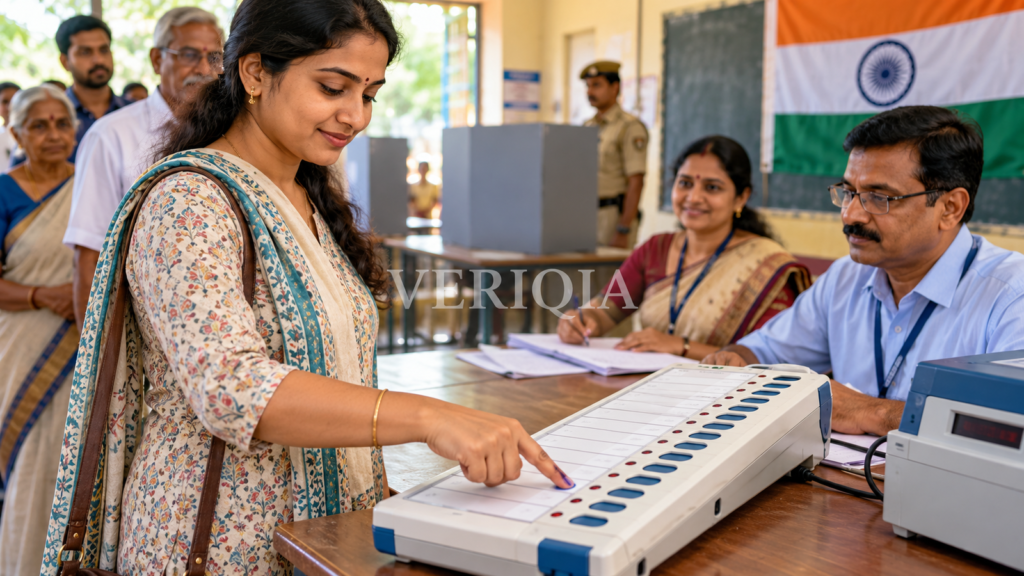
The ballot unit is the part a voter uses to choose a candidate. The control unit is operated by polling staff and manages the poll. The VVPAT printer produces a paper slip that the voter can view momentarily through a window before the slip drops into a sealed compartment. These are complementary pieces of a controlled polling process. Their roles matter because a photograph of a ballot unit alone does not describe how polling officers initiate voting or how the paper record is retained.
Before polling begins
Election officials prepare and check equipment in several stages, including candidate setting, mock polls, sealing and recordkeeping under the applicable procedures. Political party representatives or candidates’ agents may observe relevant activities as allowed by election rules. A mock poll is a functional check before voting opens, not part of the final voting tally. Equipment identifiers, seals and required forms form part of the audit trail. Questions about a particular election should be answered from that election’s official procedural records.
What a voter experiences
At a polling station, identification and eligibility checks happen separately from the act of pressing a voting button. After the polling officer enables the unit, a voter selects a candidate or available option and sees the VVPAT display for a short period. Polling staff do not need the voter to tell them the choice. Voters should follow posted instructions and immediately report a procedural problem to the presiding officer rather than repeatedly pressing buttons or photographing the equipment.
Why a paper trail matters
The VVPAT is intended to provide a voter-visible check and retain a physical record for procedures that require verification. The paper slip is not handed to the voter because preserving the secret ballot and maintaining custody of election material are central design considerations. Counting and VVPAT verification involve formal rules that can change through instructions or judicial directions. A social-media claim that “all slips are counted” or “none are checked” should therefore be checked against current official arrangements.
Counting and safeguards
After polling closes, election material is sealed, documented and transported or stored under prescribed security arrangements. Counting takes place under supervision with candidates’ representatives present as permitted by law. The official result depends on the authorized counting procedure, reconciliation of forms and resolution of objections. A screen capture of an unofficial dashboard is not equivalent to the signed result declaration. Readers should distinguish a lead shown during counting from a final constituency result.
What EVMs do not do
EVMs used in this electoral framework should not be confused with online voting applications or personal computers connected to ordinary networks. The technology and procedural environment have their own controls and limitations. At the same time, describing the machines as disconnected does not eliminate the importance of transparent handling, verification and public trust. Security is a system of technology, people, chain-of-custody records and enforceable election procedures rather than a single reassuring slogan.
How to evaluate a viral allegation
If a video claims an EVM malfunctioned, first ask whether it documents the location, date, machine and actual voting process. A training demonstration, mock poll and live election are different settings. Look for the presiding officer’s report and Election Commission response. Avoid sharing a clip that reveals a voter’s identity or implies a nationwide finding based on one unverified event. Proper investigation depends on contemporaneous records, not only an edited video segment.
How votes remain private
The secrecy of the ballot is a core democratic requirement. Polling booths are arranged so a voter can make a choice without disclosing it to others. Electoral rolls and identity checks establish eligibility, but should not link a named individual to a particular vote. VVPAT verification occurs in the voter’s view, not as a take-home receipt. The distinction helps explain why election officers discourage recording voting choices inside the booth and why audit material follows controlled procedures.
Where official answers are found
The Election Commission of India publishes voter information, manuals, frequently asked questions and instructions that explain technology and procedures. State chief electoral officers provide election-specific information. Results should be checked using official election result portals and notifications. When explaining a dispute, separate the technical allegation, procedural allegation, evidence presented and official response. A careful explainer does not have to claim flawless technology or presume misconduct without evidence.
Useful questions before voting
Confirm your enrolment, polling location, identification requirements and polling hours from official resources. Learn what the ballot unit and VVPAT look like and how to report a problem at the station. Do not assume that an election-year change in one state automatically applies everywhere. If accessibility assistance is needed, check the relevant election instructions in advance. These practical steps matter more to an individual voter than partisan debates about the equipment.
Bottom line
Electronic voting in India combines the ballot and control units with procedural safeguards and, where applicable, VVPAT paper verification. A complete understanding requires the voter experience, pre-poll checks, storage, counting and the legal process for objections. For any specific allegation or claimed rule change, consult the Election Commission’s current documentation. This is the difference between a useful guide and a headline that confuses technology, security and election administration.
Frequently asked question
Can a voter take the VVPAT slip home?
No. The printed slip is retained within the designated sealed system under official voting procedures.